
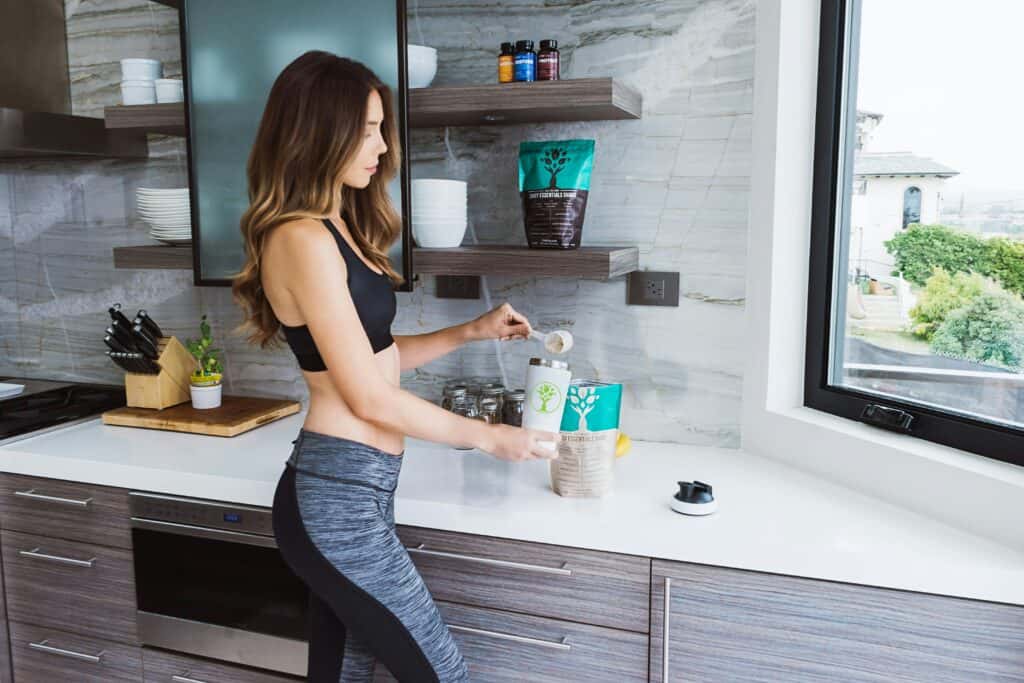
Looking for a way to get more protein in your vegan diet? Making your own vegan protein powder is easier than you might think. Not only will you save money, but you can also control the ingredients and flavors. In this guide, we’ll show you how to make your own plant-based protein powder at home.
Homemade Vegan Soy Protein Powder
This DIY protein powder made with soy is considered a complete protein because it contains all nine essential amino acids required by the human body for optimal health and functioning.
Ingredients:
| Ingredients | Amount |
|---|---|
| Organic Soybeans | 2 cups |
| Blender or Food Processor | – |
Instructions:
- Clean the Soybeans: Sort through the soybeans and remove any debris or discolored beans.
- Rinse: Rinse the soybeans under cold water to remove any dirt or dust.
- Soak: Transfer the rinsed soybeans to a large bowl and cover them with water. Allow them to soak overnight or for at least 8 hours.
- Drain and Rinse: After soaking, drain the soybeans and rinse them thoroughly.
- Dehydrate: Preheat your oven to the lowest setting. Spread the soaked soybeans evenly on a baking sheet and place them in the oven. Dehydrate the soybeans for about 4-6 hours or until they are completely dry and brittle.
- Blend: Once the soybeans are fully dehydrated, transfer them to a blender or food processor. Blend on high until you have a fine powder consistency.
- Store: Transfer the soy protein powder to an airtight container and store it in a cool, dry place.
Nutritional Information (per serving):
- Serving Size: 1 scoop (approximately 28g)
- Calories: 100
- Total Fat: 3.5g
- Saturated Fat: 0.5g
- Cholesterol: 0mg
- Sodium: 0mg
- Total Carbohydrates: 3g
- Dietary Fiber: 2g
- Total Sugars: 0g
- Protein: 13g
Note: Nutritional values are approximate and may vary depending on the exact ingredients used and serving size.
Benefits of Homemade Vegan Protein Powder
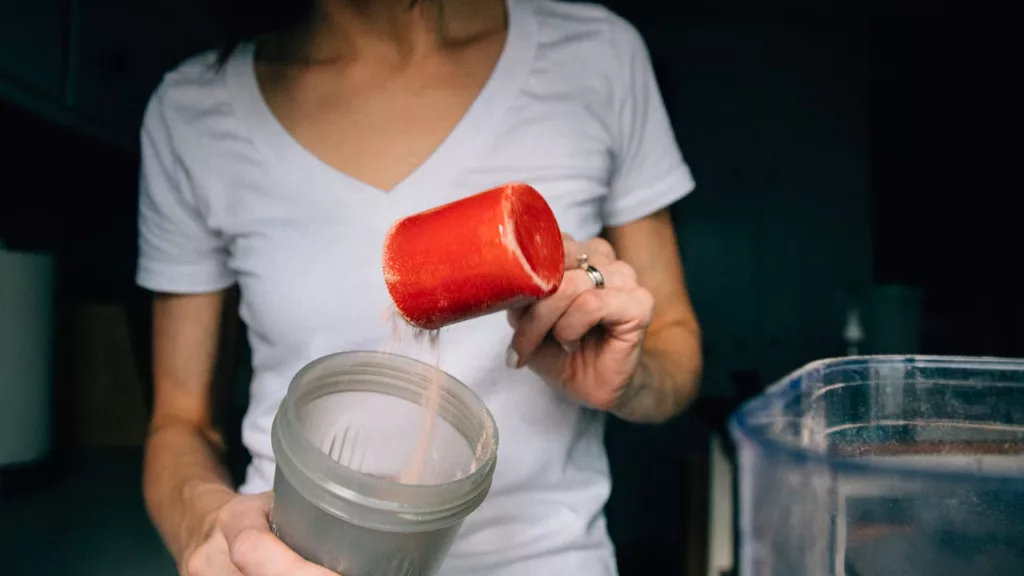
Making your own homemade vegan protein powder has numerous benefits. Firstly, you have control over the ingredients you use, so you can ensure that it is made from whole foods and doesn’t contain any artificial additives, artificial sweeteners or preservatives. This makes it a healthier option compared to many store-bought protein powders that contain fillers and synthetic ingredients. Additionally, making your own protein powder is often cheaper than buying pre-made powders, which can be quite expensive. By making it at home, you can also customize the protein powder to suit your specific dietary needs or taste preferences. Knowing what ingredients are being used in protein shakes can be important those following a plant-based diet.
Common Ingredients for Homemade Vegan Protein Powder
There are many different ingredients that you can use to make your own plant protein powder. Some common ones include beans, nuts, seeds, grains, and legumes. These ingredients are all high in protein and provide a variety of other nutrients like fiber, healthy fats, and vitamins and minerals. Additionally, they are versatile and can be combined in different ways to create unique flavors and textures. For example, you might use chickpeas, almonds, and quinoa to create a nutty and slightly sweet protein powder, or you could use pumpkin seeds, hemp seeds, and brown rice to create a powder that is high in omega-3 fatty acids and antioxidants.
How to Make Homemade Vegan Protein Powder
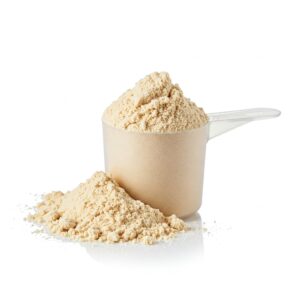
Making your own plant based protein powder is a simple process that can be done in just a few steps. First, you’ll need to choose your ingredients and gather them together. Then, you’ll need to grind them up in a food processor or blender until they are finely ground and have a powdery texture. Finally, you’ll need to store the protein powder in an airtight container in a cool, dry place at room temperature until you’re ready to use it. Properly stored, the shelf life of vegan protein powder can typically be several months without any significant degradation in quality. To use the protein powder, you can simply add it to smoothies, oatmeal, or other recipes as needed.
These custom protein powder mixes are designed to provide a complete amino acid profile while delivering a burst of energy-boosting nutrients to help you power through your workouts and can help promote muscle growth. Made with a combination of high-quality plant-based protein sources, our custom protein blends are delicious and convenient ways to get the nutrients your body needs to build lean muscle and recover quickly.
Most of the vegan protein powder recipes listed below have about 7-8 grams of protein. For those looking for a higher protein content, making your own pea protein powder and using 2 scoops instead of 1 can be a better choice since it provides more g protein per serving. However, for the highest amount of plant-based protein per scoop, soy protein powder is the winner. The amount of protein powder that you add is up to you.
Homemade Vegan Pea Protein Powder
This is a very popular choice for those who are avoiding soy protein, avoiding animal products or dairy such as whey protein.
Ingredients:
| Ingredients | Amount |
|---|---|
| Dried Yellow Peas | 2 cups |
| Blender or Food Processor | – |
Instructions:
- Clean the Peas: Sort through the dried yellow split peas and remove any debris or stones.
- Rinse: Rinse the dry split peas under cold water to remove any dirt or dust.
- Dry: Spread the peas out on a clean kitchen towel or paper towels and pat them dry.
- Dehydrate: Preheat your oven to the lowest setting. Spread the dried peas evenly on a baking sheet and place them in the oven. Dehydrate the peas for about 4-6 hours or until they are completely dry and brittle.
- Blend: Once the peas are fully dehydrated, transfer them to a high-speed blender or food processor. Blend on high until you have a fine powder consistency.
- Store: Transfer the pea protein powder to an airtight container and store it in a cool, dry place.
Nutritional Information (per serving):
- Serving Size: 1 scoop (approximately 28g)
- Calories: 100
- Total Fat: 0.5g
- Saturated Fat: 0g
- Cholesterol: 0mg
- Sodium: 5mg
- Total Carbohydrates: 15g
- Dietary Fiber: 6g
- Total Sugars: 0g
- Protein: 8g
Note: Nutritional values are approximate and may vary depending on the exact ingredients used and serving size.
Chocolate Peanut Butter Plant Based Protein Powder
Making a chocolate peanut butter version is an easy way to get a protein boost in all your favourite recipes. This ons is full of fiber from the oats, hemp hearts and chia seeds and is delicious added overnight oats to healthy desserts that call for protein powder.
| Ingredient | Measurement |
|---|---|
| Rolled oats | 1 cup |
| Peanuts | 1 cup |
| Cocoa powder | 1/2 cup |
| Chia seeds | 1/4 cup |
| Hemp seeds | 1/4 cup |
| Maple syrup | 1/4 cup |
| Vanilla extract | 1 tsp |
Nutritional Value:
| Calories | Protein | Fat | Carbohydrates | Fiber |
|---|---|---|---|---|
| 128 per serving | 6.3g per serving | 8.6g per serving | 11.7g per serving | 3.9g per serving |
Green Superfood Plant Based Protein Powder
Getting in greens and other superfoods to boost your immune system can be just as important as getting enough protein. This recipe is also full of different seeds a great option to add an extra boost of protein to your green smoothie. Bear in mind, some of these ingredients can be a bit of an acquired taste.
| Ingredient | Measurement |
|---|---|
| Pumpkin seeds | 1/2 cup |
| Sunflower seeds | 1/2 cup |
| Chia seeds | 1/4 cup |
| Flax seeds | 1/4 cup |
| Spirulina powder | 1/4 cup |
| Wheatgrass powder | 1/4 cup |
| Moringa powder | 1/4 cup |
| Cinnamon | 1 tsp |
Nutritional Value
| Calories | Protein | Fat | Carbohydrates | Fiber |
|---|---|---|---|---|
| 155 per serving | 7.6g per serving | 11.3g per serving | 8.6g per serving | 5.6g per serving |
Vanilla Almond Plant Based Protein Powder
Another delicious homemade protein blend is this vanilla almond powder. Although it doesn’t have as much protein as the soy version, it is still packed full of nutrition and flavour.
| Ingredient | Measurement |
|---|---|
| Almonds | 1 cup |
| Hemp seeds | 1/4 cup |
| Chia seeds | 1/4 cup |
| Coconut sugar | 1/4 cup |
| Vanilla protein powder | 1/4 cup |
| Vanilla extract | 1 tsp |
Nutritional Value
| Calories | Protein | Fat | Carbohydrates | Fiber |
|---|---|---|---|---|
| 149 per serving | 6.5g per serving | 10.3g per serving | 9.3g per serving | 3.8g per serving |
It’s important to note that homemade blends may not be as precise as store-bought versions, so it’s a good idea to consult with a nutritionist or do research on the ingredients to ensure you’re meeting your protein and nutrient needs.
Making your own homemade protein powder, crafted from ingredients like yellow peas, not only bolsters daily protein intake but also ensures essential amino acids are readily available in plant-based diets. By incorporating this versatile powder into everyday meals, vegans can effortlessly meet their nutritional needs. Supplementing with sources rich in essential fatty acids, such as flaxseeds or chia seeds, alongside homemade protein powder, further enhances the overall nutritional profile. With these additions, maintaining a balanced vegan diet becomes simpler and more nourishing, promoting optimal health and well-being.
Alternative Vegan Protein Powder Blends for Your Daily Needs
Let’s stir up your imagination with a few more protein-packed recipes to get your creative juices flowing! Add 1 cup of your favourite plant milk to complete each one of these new recipes. Feel free to try different combinations and add things like seed butter or larger pieces of banana for creaminess, or dates for some extra sweetness.
| Blend | Ingredients | Protein (g) | Carbs (g) | Fat (g) | Calories |
|---|---|---|---|---|---|
| Tropical Twist | Pea protein, coconut flour, freeze-dried pineapple, freeze-dried mango, vanilla extract | 25 | 10 | 5 | 200 |
| Nutty Delight | Peanut flour, hemp protein, chia seeds, cocoa powder, cinnamon | 22 | 12 | 7 | 220 |
| Green Goodness | Spirulina, pea protein, spinach powder, maca powder, banana powder | 21 | 11 | 4 | 190 |
| Berry Blast | Brown rice protein, freeze-dried blueberries, freeze-dried raspberries, beet powder, vanilla extract | 24 | 12 | 3 | 180 |
| Chocolate Coconut | Pea protein, cocoa powder, shredded coconut, coconut sugar, vanilla extract | 26 | 8 | 6 | 210 |
Essy Cooks Favourite Vegan Smoothie Recipes
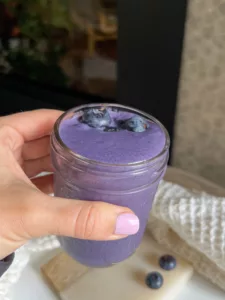
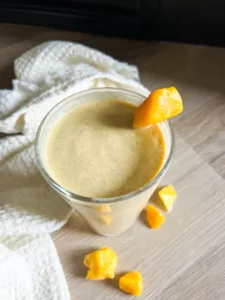
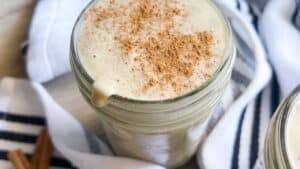
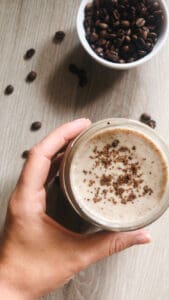
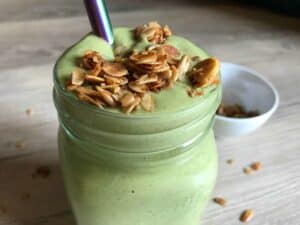
Here is a list of my favourite vegan protein shake recipes. Each one has a complete source of protein, plant-based milk for creaminess, and other healthy ingredients such as green seeds and frozen fruit.


Tips and Tricks for Making Homemade Vegan Protein Powder
There are a few tips and tricks that can help you make the best homemade plant based protein powder possible. First, be sure to choose high-quality ingredients that are fresh and free from any added preservatives or chemicals. This will ensure that your protein powder is as healthy and nutrient-dense as possible. Additionally, you might consider adding a natural sweetener like stevia or maple syrup to your protein powder if you find that it is too bitter or bland on its own. Finally, be sure to experiment with different ingredient combinations to find the flavors and textures that work best for you. With a little bit of creativity, you can create a homemade vegan protein powder that is both delicious and nutritious.
Troubleshooting Your Homemade Protein Powder
Making DIY protein powder is straightforward, but you might encounter a few common issues. Here’s how to fix them:
Texture Problems
Issue: Powder is too grainy or gritty
- Solution: Blend longer in your food processor or use a higher-powered blender
- Sift the powder through a fine-mesh strainer to remove larger particles
- For pea protein, ensure peas are completely dehydrated before blending
Issue: Powder clumps in liquids
- Solution: Add powder to liquid gradually while whisking
- Use a blender bottle with a mixing ball
- Add a small amount of lecithin powder (1-2 tsp per batch) to improve mixability
Taste Issues
Issue: Powder tastes too bitter or “beany”
- Solution: Add natural sweeteners like stevia or monk fruit
- Include vanilla extract or vanilla bean powder
- Mix in cocoa powder or cinnamon for flavor masking
- For pea protein, roasting the peas lightly before dehydrating can reduce the beany flavor
Storage Concerns
Issue: Powder develops an off smell
- Solution: Ensure ingredients are completely dry before blending
- Store in an airtight container in a cool, dry place
- Add a food-safe silica gel packet to absorb moisture
- Make smaller batches if you won’t use it within 2-3 months
Equipment You’ll Need for Best Results
While you can make homemade protein powder with basic kitchen tools, having the right equipment makes the process much easier and produces better results.
Essential Equipment
- High-Powered Blender or Food Processor: A minimum of 1000 watts is recommended. Vitamix, Blendtec, or Ninja blenders work well. For food processors, Cuisinart or KitchenAid models are reliable choices.
- Dehydrator or Oven: For drying soaked beans and peas. A dehydrator provides more consistent results, but an oven on the lowest setting works fine.
- Airtight Storage Containers: Glass jars with tight-fitting lids are ideal. Mason jars work perfectly and are affordable.
- Fine-Mesh Strainer: For sifting out larger particles and achieving a smoother texture.
Optional but Helpful
- Kitchen Scale: For precise measurements and tracking protein content
- Spice Grinder: Useful for grinding smaller batches or specific ingredients like flax seeds
- Blender Bottle: Makes mixing your finished powder much easier
Shelf Life & Storage Guide
Proper storage is crucial for maintaining the quality and safety of your homemade protein powder.
How Long Each Type Lasts
| Protein Type | Room Temperature | Refrigerated | Frozen |
|---|---|---|---|
| Soy Protein Powder | 3-4 months | 6 months | 12 months |
| Pea Protein Powder | 3-4 months | 6 months | 12 months |
| Nut-Based Blends | 2-3 months | 4-5 months | 8-10 months |
| Seed-Based Blends | 2-3 months | 4-5 months | 8-10 months |
Best Storage Practices
- Keep it dry: Moisture is the enemy. Always use dry scoops and never introduce wet utensils into your powder container.
- Cool and dark: Store away from heat sources and direct sunlight. A pantry or cupboard works well.
- Airtight is essential: Oxygen exposure can cause rancidity, especially in nut and seed-based powders.
- Label with dates: Mark when you made each batch so you know when to use it by.
Signs Your Protein Powder Has Gone Bad
Discard your homemade protein powder if you notice:
- Rancid or sour smell
- Visible mold or discoloration
- Clumping that doesn’t break apart (indicates moisture)
- Off taste or bitterness that wasn’t there initially
- Any signs of insect activity
DIY vs Store-Bought: 2026 Cost Comparison
Making your own protein powder can save you significant money in 2026. Here’s a realistic breakdown:
| Type | Cost Per Serving | Cost Per Month (30 servings) | Quality Control |
|---|---|---|---|
| Store-Bought Premium | $2.50 – $4.00 | $75 – $120 | Unknown ingredients |
| Store-Bought Budget | $1.50 – $2.50 | $45 – $75 | Often contains fillers |
| Homemade (Pea-Based) | $0.75 – $1.25 | $22 – $37 | Full control |
| Homemade (Soy-Based) | $0.50 – $0.90 | $15 – $27 | Full control |
When Homemade Makes Sense
Choose DIY if you:
- Use protein powder daily or multiple times per day
- Want to avoid artificial sweeteners and additives
- Have dietary restrictions or allergies
- Prefer customizing flavors and ingredients
- Want to reduce packaging waste
Stick with store-bought if you:
- Only use protein powder occasionally
- Don’t have a high-powered blender
- Prefer convenience over cost savings
- Need specific amino acid ratios for athletic performance
Sustainability Benefits in 2026
Beyond cost savings, making your own protein powder significantly reduces packaging waste. Commercial protein powders typically come in large plastic tubs that aren’t always recyclable. By buying ingredients in bulk and storing your homemade powder in reusable glass jars, you can eliminate single-use plastic from your protein routine entirely.
Frequently Asked Questions (FAQs)
Making homemade vegan protein powder may seem intimidating, but it’s a great way to control the ingredients and avoid any unnecessary additives. Here are some common questions people have about making plant based protein powder at home.
Is homemade plant based protein powder as effective as store-bought protein powder?
Homemade vegan protein powder can be just as effective as store-bought protein powder if you use the right ingredients in the right proportions. Plant-based protein powders can vary in their amino acid profiles, so it’s important to do some research and choose ingredients that will provide a complete protein profile. Additionally, homemade protein powder may lack some of the vitamins and minerals that are often added to store-bought powders, so it’s important to make sure you’re getting those nutrients from other sources.
How much homemade protein powder should I use in a serving?
The amount of homemade protein powder you should use in a serving depends on your individual needs and goals. As a general guideline, you can start with 1-2 tablespoons per serving and adjust based on your protein needs and the other ingredients in your recipe.
Can I substitute other types of plant-based protein powders?
Yes, you can substitute other types of plant-based protein powders in your homemade protein powder mix. Some popular options include pea protein, brown rice protein, and hemp protein. Just make sure to choose a high-quality protein powder that provides a complete amino acid profile.
Can I use a spice grinder instead of a blender or food processor?
While a spice grinder can be a useful tool in the kitchen, it may not be the best choice for making homemade protein powder. Spice grinders are typically smaller and less powerful than blenders or food processors, which can make it difficult to achieve a fine, consistent powder. Additionally, some ingredients may be too hard or fibrous for a spice grinder to handle. It’s generally best to use a high-powered blender or food processor for making homemade protein powder.
Sources: Homemade Vegan Protein Powder
- Healthline (https://www.healthline.com/)
- MyFitnessPal (https://www.myfitnesspal.com/)
- Nutritiondata.self.com (https://nutritiondata.self.com/)
This was an excellent article going to try making some of these homemade recipes this week!
Thank you so much! Please let me know how it goes with the DIY protein powders!