

⚡ Quick Answer: Highest Vegan Sources of Vitamin C
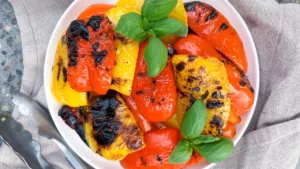
According to the NIH Office of Dietary Supplements, adult women need 75 mg and adult men need 90 mg of Vitamin C daily. Many plant foods beat oranges by a wide margin: 1 cup of raw guava (376 mg, 418% DV), 1 cup of red bell pepper (190 mg, 211% DV), 1 cup of sliced kiwi (167 mg), 1 cup of strawberries (89 mg), and 1 cup of raw broccoli (81 mg).
Vitamin C is essential for a healthy immune system and as a food lover, I’m always on the lookout for delicious and nutritious ingredients. That’s why I’m excited to share with you some of the tastiest vegan sources of Vitamin C!
📊 Top Vegan Sources of Vitamin C (mg per 1 Cup Serving vs. 90 mg Daily Value)
Ranked from highest to lowest using USDA FoodData Central measurements—notice how guava, bell peppers, and kiwi deliver 2x to 4x more Vitamin C than a medium orange!
Data sources: NIH Office of Dietary Supplements (Vitamin C Fact Sheet) & USDA FoodData Central. Tip: Pairing Vitamin C with lentils, tofu, or spinach dramatically boosts plant-based iron absorption!
Top 20 Vegan Sources of Vitamin C: A Comprehensive Guide
This table covers the top 20 vegan sources of Vitamin C. Including the food item, the amount of Vitamin C per serving, and the serving size. This information provides a clear and concise overview of the best sources of Vitamin C for vegans. Whether you are looking to increase your Vitamin C intake. Or simply want to know more about the nutrients in your food, this table has you covered.
Chart of Vegan Sources of Vitamin C
| Food | Amount of Vitamin C per Serving (mg) |
|---|---|
| Red bell pepper | 190 mg |
| Guava | 188 mg |
| Kiwi | 154 mg |
| Papaya | 116 mg |
| Mango | 107 mg |
| Strawberry | 97 mg |
| Orange | 96 mg |
| Pineapple | 78 mg |
| Grapefruit | 70 mg |
| Cantaloupe | 65 mg |
| Broccoli | 51 mg |
| Tomato | 40 mg |
| Brussels sprouts | 40 mg |
| Potato | 37 mg |
| Cauliflower | 36 mg |
| Lemon | 31 mg |
| Lime | 30 mg |
| Snow peas | 30 mg |
| Sweet potato | 23 mg |
| Carrot | 12 mg |
Citrus Sensations: Oranges, Lemons, and Grapefruits
Citrus fruits are classic sources of Vitamin C, and they’re also vegan-friendly. A single medium-sized orange can contain over 70 milligrams of Vitamin C – that’s nearly your entire daily recommended dose! Add a squeeze of lemon or lime to your water for a burst of flavor, or enjoy a grapefruit for a sweet and tangy breakfast.

Berries: The Antioxidant Powerhouses
Berries are not only bursting with flavor, but also packed with Vitamin C. A cup of strawberries contains about 85 milligrams of Vitamin C, while a cup of blackberries has even more at 24 milligrams. These antioxidant-rich fruits are a sweet and juicy way to boost your Vitamin C intake.
Green Veggies: More Than Just Salad Toppers
Green veggies like broccoli, kale, and green peppers are also excellent sources of Vitamin C. A cup of raw broccoli contains over 80 milligrams of Vitamin C, and a single green pepper has nearly double that amount. Add these nutrient-dense veggies to your vegan smoothies, stir-fries, or simply enjoy them raw for a crunchy snack.
Exotic Energizers: Kiwi and Guava
Kiwi and guava are two exotic fruits that pack a powerful Vitamin C punch. A single kiwi contains over 70 milligrams of Vitamin C, and a cup of guava has nearly four times the recommended daily amount. These unique fruits add excitement to your Vitamin C routine and offer a tropical twist to your diet.
Herbs and Spices: The Flavorful Secret Weapons
Herbs and spices like parsley, thyme, and paprika are often overlooked as sources of Vitamin C, but they contain surprising amounts. A single tablespoon of dried thyme has over 20 milligrams of Vitamin C, and a teaspoon of paprika contains even more. These flavorful ingredients can enhance your favorite recipes and add a Vitamin C boost at the same time.

Conclusion: Vegan Sources of Vitamin C
In conclusion, there’s no need to rely on supplements for your daily Vitamin C fix. Incorporate these vegan sources into your diet for a tasty and nutritious way to boost your immunity. From citrus sensations to exotic energizers, there’s a vegan source of Vitamin C for every taste preference. So, add a burst of flavor to your diet today!
Sources For Vegan Sources of Vitamin C
Source: USDA FoodData Central. https://fdc.nal.usda.gov/

📚 Authoritative Sources & Further Reading
Frequently Asked Questions About Vegan Vitamin C
Which vegan food has the most Vitamin C?
Guava and red bell peppers top the list among everyday supermarket foods. One cup of raw guava provides 376 mg of Vitamin C (over 400% of the adult daily value), and one cup of chopped red bell pepper delivers 190 mg—nearly triple the Vitamin C in a medium orange (70 mg).
Does cooking destroy Vitamin C in vegetables?
Vitamin C is water-soluble and heat-sensitive, so boiling vegetables in lots of water can reduce Vitamin C by 25% to 50%. Eating bell peppers, citrus, berries, and leafy greens raw—or lightly steaming and stir-frying for a few minutes—preserves the most Vitamin C.
Why is Vitamin C extra important on a vegan diet?
Beyond supporting immune function and collagen synthesis, Vitamin C significantly enhances the absorption of non-heme (plant-based) iron. Adding lemon juice, bell peppers, or tomatoes to lentil, bean, or tofu dishes can increase iron absorption by 3 to 4 times.
Can you get too much Vitamin C from plant foods?
It is virtually impossible to exceed the NIH Tolerable Upper Intake Level (2,000 mg/day for adults) from whole fruits and vegetables alone, because Vitamin C is water-soluble and excess amounts are excreted in urine.
Super satisfying and so fresh! Will definitely be making this again soon 🌿 Thank you for such a great recipe! ❤️
Aww, thank you so much Brittany! So happy you enjoyed it! Happy cooking! ❤️ – Essy