Explore Vegetables High in Protein in this article, discovering a variety for a healthy and delicious meal plan. Our guide compares the protein content of the top 30 vegetables, aiding in diet diversification and nutritional elevation.
Protein Powerhouses: A Comparison of the Top 30 Vegetables High in Protein
Switching to a plant-based diet doesn’t mean sacrificing protein. Many vegetables, from leafy greens to root veggies, offer a substantial protein kick.
These plant-based options are not just healthy but also tasty and versatile in cooking. To guide you through the veggie protein world, we’ve created a chart comparing the protein content of the top 30 protein-rich vegetables. Whether you’re aiming for diet diversity or a protein boost, this chart has you covered.
| VEGETABLE (PER 100G) | PROTEIN (G) |
|---|---|
| Spirulina | 59.43 |
| Kale | 2.9 |
| Spinach | 2.86 |
| Broccoli | 2.8 |
| Brussels Sprouts | 2.56 |
| Artichoke | 2.5 |
| Asparagus | 2.5 |
| Bamboo Shoots | 2.3 |
| Beet Greens | 2.2 |
| Bell Pepper | 1.9 |
| Bok Choy | 1.9 |
| Butternut Squash | 1.8 |
| Cabbage | 1.8 |
| Carrots | 0.94 |
| Cauliflower | 1.7 |
| Celery | 1.6 |
| Collard Greens | 1.6 |
| Eggplant | 1.5 |
| Garlic | 1.5 |
| Green Beans | 1.5 |
| Leeks | 1.5 |
| Okra | 1.5 |
| Onions | 1.5 |
| Parsnips | 1.27 |
| Potatoes | 2.27 |
| Pumpkin | 1.5 |
| Radicchio | 1.5 |
| Radishes | 1.5 |
| Shallots | 1.5 |
| Swiss Chard | 1.5 |
| Zucchini | 1.5 |
🏆 Top 5 Protein Winners (Per Cup)
Green Peas
Artichokes
Spinach
Broccoli
Brussels Sprouts
The Heavy Hitters: Top Vegetables High in Protein
When it comes to vegetables high in protein, some stand out above the rest. These include:
| VEGETABLE | PROTEIN (PER CUP) | ADDITIONAL NUTRIENTS |
|---|---|---|
| Peas | 8g | High in fiber |
| Broccoli | 2.6g | Vitamin K, Vitamin C |
| Brussels Sprouts | 2.4g | Vitamin C, Vitamin K |
| Spinach | 2.9g | Iron, Vitamin K |
| Sweet Potatoes | 2g | Vitamin A, Potassium |
The All-Stars: More Vegetables High in Protein
Explore more protein-rich vegetables such as asparagus, artichokes, avocados, and okra.
| VEGETABLE | PROTEIN (PER CUP) | ADDITIONAL NUTRIENTS |
|---|---|---|
| Asparagus | 2.4g | Vitamins A, C, K |
| Artichokes | 4.2g | Fiber, Antioxidants |
| Avocados | 2g | Healthy Fats |
| Okra | 2.5g | Vitamin C, Folate, Potassium |
The Root Vegetable Deep-Dive: Protein & More
Direct Answer: While root vegetables are primarily known for their complex carbohydrates, they significantly contribute to your daily protein intake. In 2026, the updated USDA standards highlight Potatoes as the leading root protein source with 2.27g per 100g, followed by Parsnips (1.27g) and Carrots (0.94g).
Root vegetables are essential for a balanced plant-based diet. Beyond protein, they provide vital micronutrients and dietary fiber that support gut health. For example, a medium potato with skin provides almost as much protein as a small egg, making it a valuable addition to high-protein meal planning.
Try these root-heavy recipes to boost your intake:
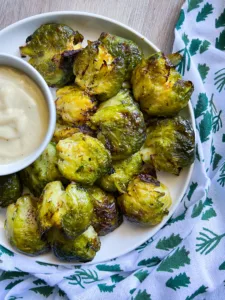
- Smashed Brussels Sprouts & Root Veggies – Perfect for dinner.
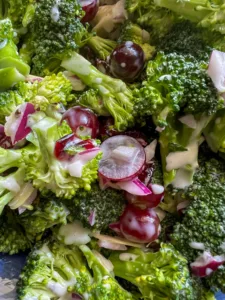
- Summer Root & Broccoli Salad – Refreshing and filling.
Meeting Your Protein Needs with Vegetables: How Much to Eat
Explore protein needs and discover vegetable servings to meet your daily intake. Note that protein content varies by vegetable and serving size. Typically, adults aim for about 0.8 grams of protein per kilogram of body weight daily.
| EXAMPLE | PROTEIN CONTENT | % OF RECOMMENDED DAILY INTAKE |
|---|---|---|
| 1 cup cooked lentils | 18g | 36% |
| 1 cup cooked spinach | 5g | 10% |
| 1 cup cooked broccoli | 4g | 8% |
Note that these estimates are rough; your protein requirements can differ based on age, sex, weight, and activity level. Always consult a healthcare professional or dietitian before making significant dietary changes.

The Takeaway
Adding high-protein vegetables to your diet is a tasty and simple way to enhance nutrient intake. Whether you’re a meat-eater embracing plant-based meals or a vegan seeking protein variety, these vegetables provide rich flavor and nutrition. With abundant options, there’s every reason to bring more greens to your plate.
Sources For Vegetable Protein Content
The sources of the information for the chart on protein content in vegetables are from reputable nutrition databases such as the USDA Food Composition Databases and the USDA National Nutrient Database for Standard Reference. These databases provide the nutritional information for a wide range of foods, including their protein content.